
Székely Equestrian Museum
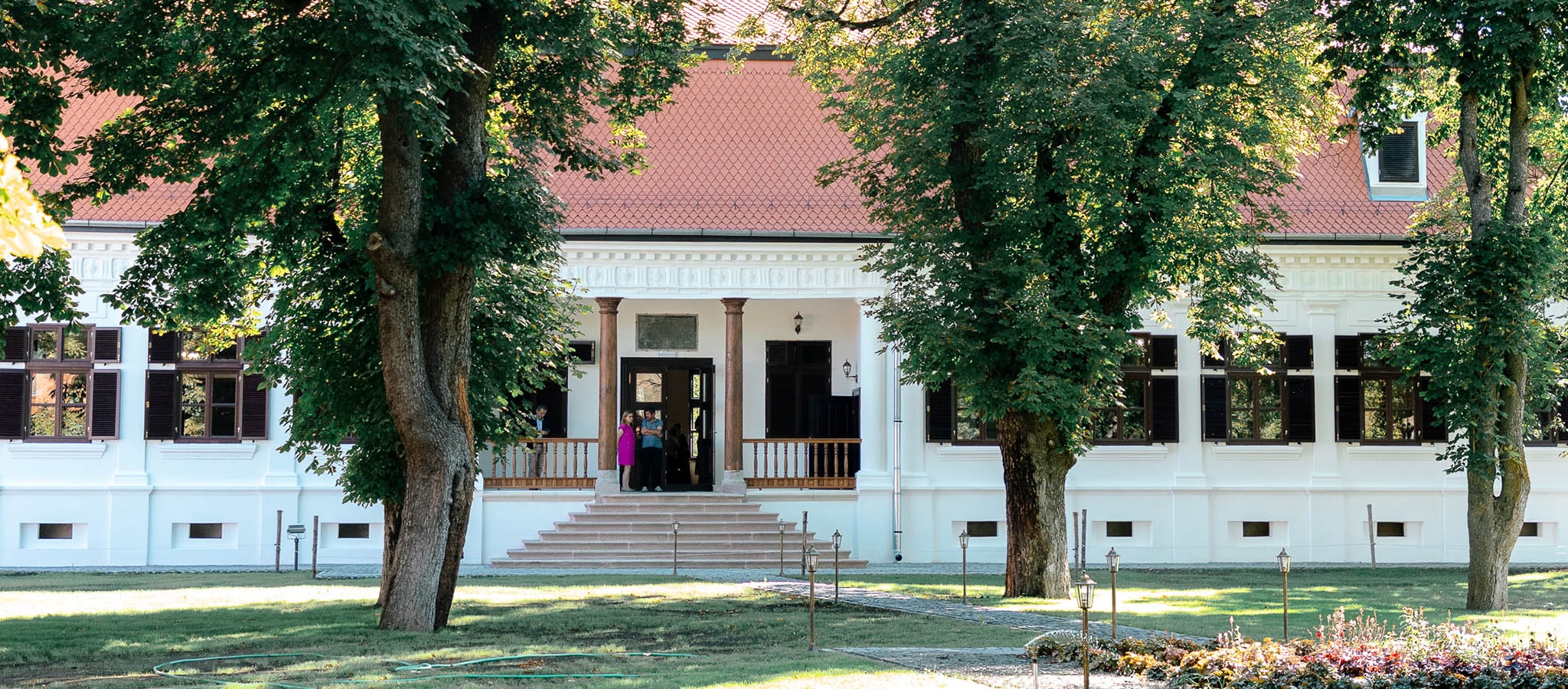
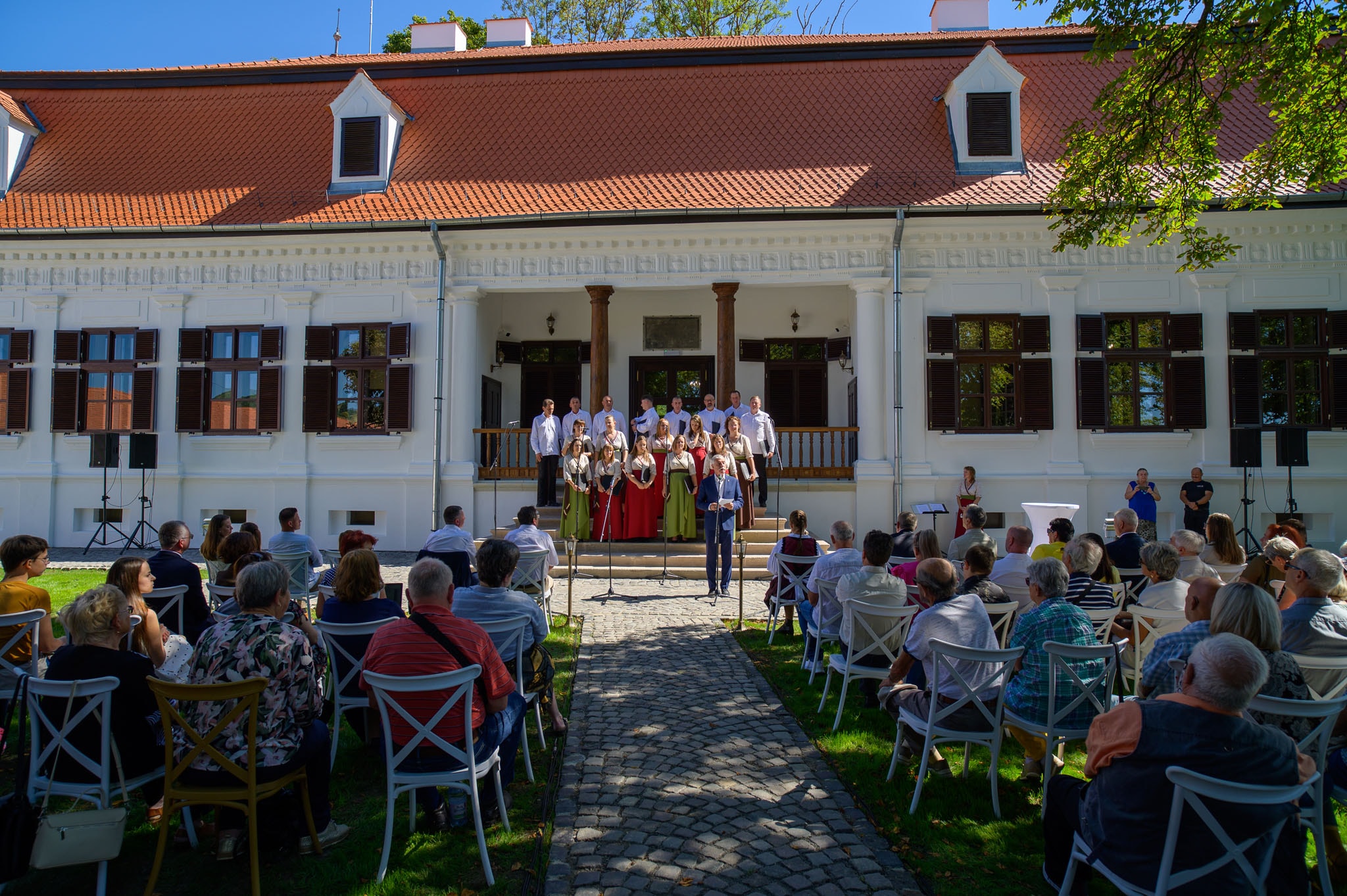
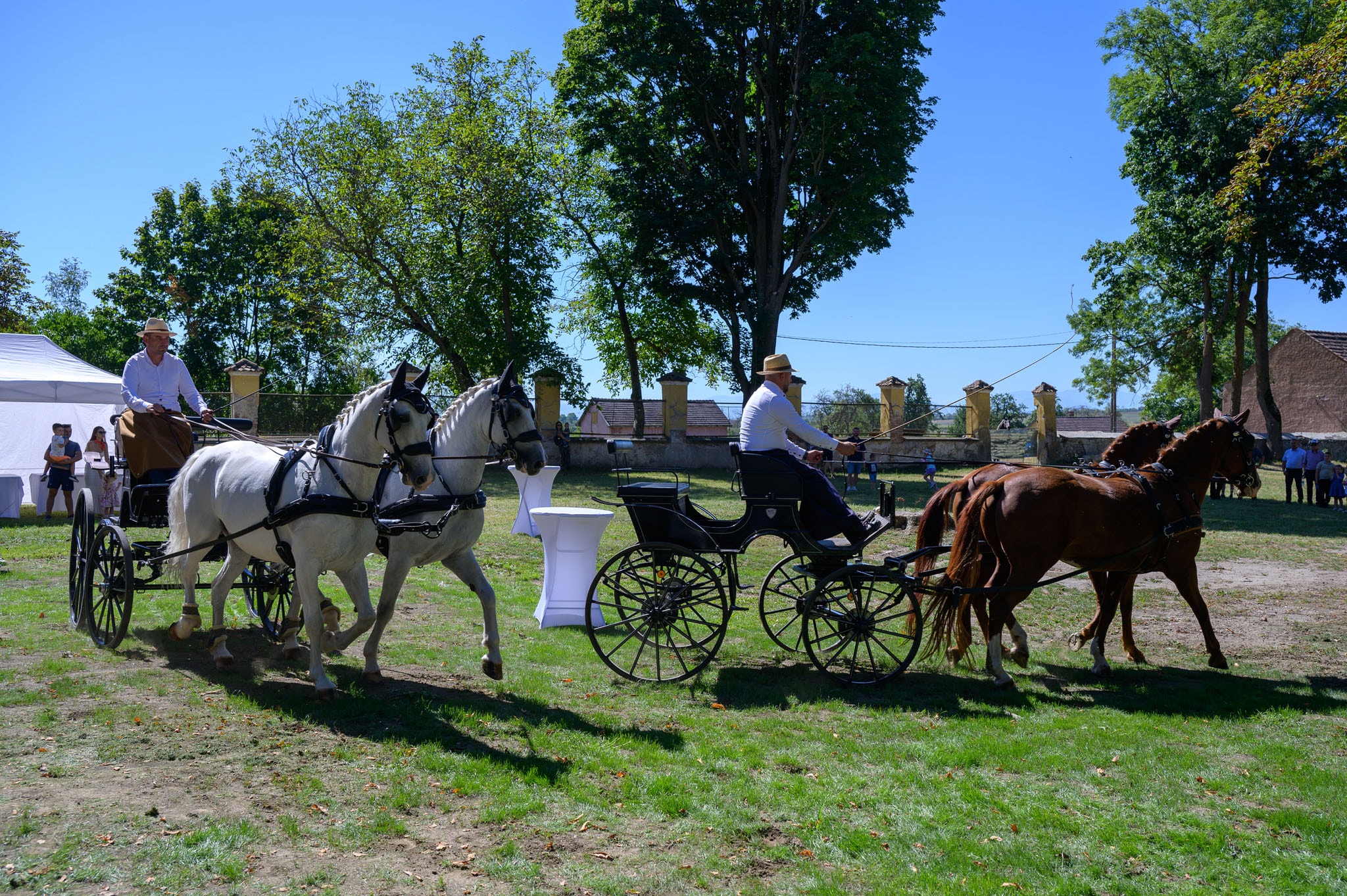
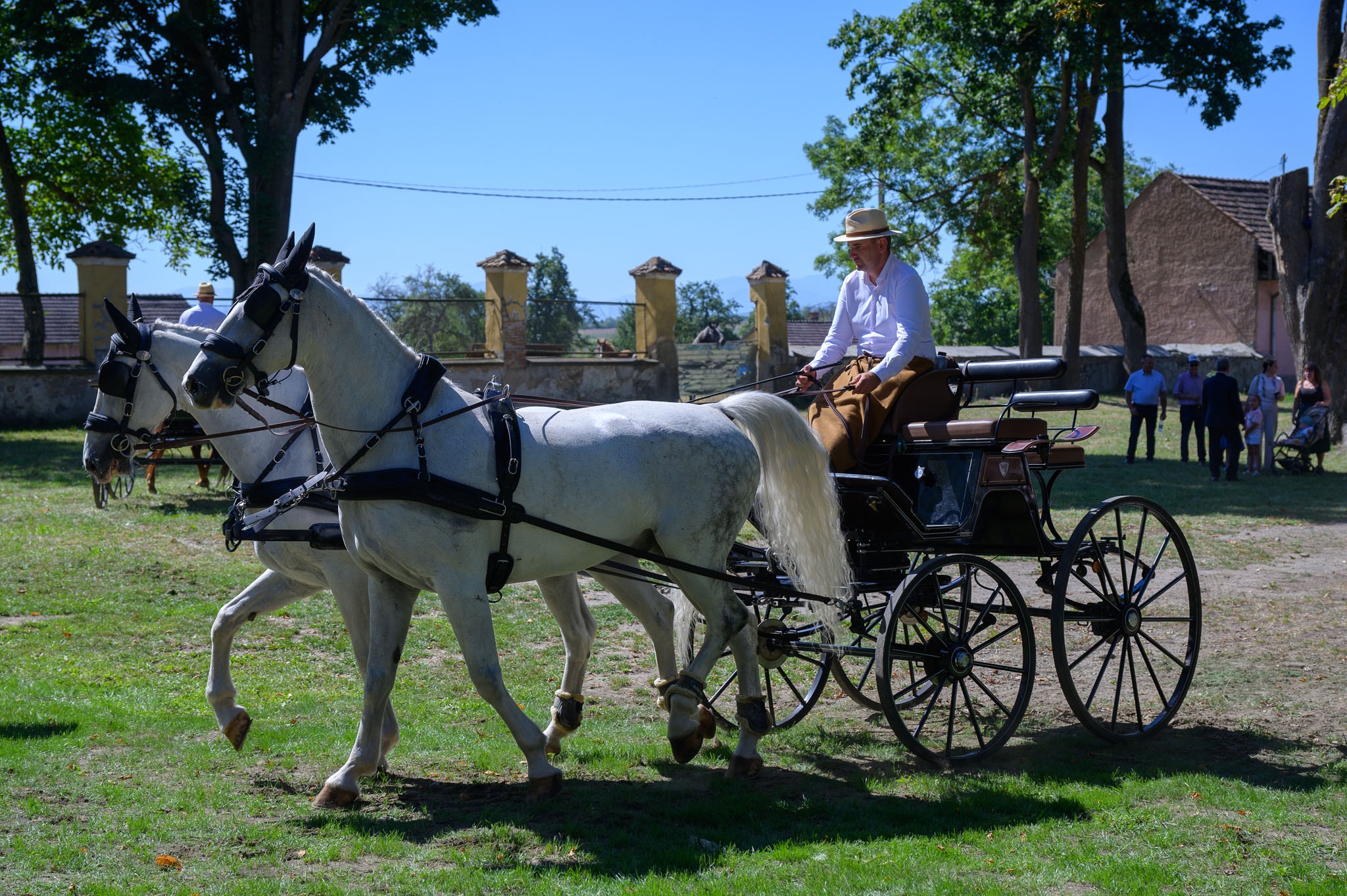
The building complex of the Mikó Castle in Olteni and the Székely Equestrian Museum housed within it constitute one of the newest, outstanding centers of cultural history and equestrian traditions in Székely Land. The property was acquired in 2014 by the Covasna County Council and the Local Council of Bodoc Commune from the heirs of the last private owner, Emil Schmutzler. Following the purchase, thanks to substantial EU and municipal funding as well as institutional collaboration, the comprehensive restoration of the neglected Neoclassical castle commenced. Under the professional supervision and contribution of the Székely National Museum, the Székely Equestrian Museum was established in the restored building, paying fitting tribute to the region’s equestrian past and the historical heritage of the castle.
The castle was built in the 1820s by Count Miklós (VIII) Mikó (1783–1839), the last male member to reach adulthood of the Olteni branch of the Mikó family of Hídvég, whose lineage traces back to the mid-13th century. According to the inscribed stone plaque above the main entrance, construction was completed in 1827. The builder count was an educated, devout Reformed noble and patron of the church, who studied at the Nagyenyed College and later received military training. Although he erected a new residence of castle proportions on the site of previous centuries’ manor houses, due to a series of family tragedies—the early loss of three wives and his son—the building could not become the populous family nest he had envisioned.
The building holds special architectural value. The castle lies along the east-west axis of an ancient Roman military camp (castrum), precisely where the family’s earlier porch-adorned manor house stood in the 18th century. Local tradition holds that stones from the medieval Herecz Castle, located on Vártető about 1.5 km away, were also utilized in the construction. Built of brick on a stone foundation, equipped with a two-level cellar and a French mansard roof, the Neoclassical castle stands out among the manor houses of the region with its pronounced Empire elements (Tuscan pilasters, triglyph frieze, and Empire urn cornice). The interior spaces were arranged around the central Grand Hall, while the estate was once complemented by an English landscape park, a fountain, a stone grotto, a steam box, as well as flower and fruit gardens.
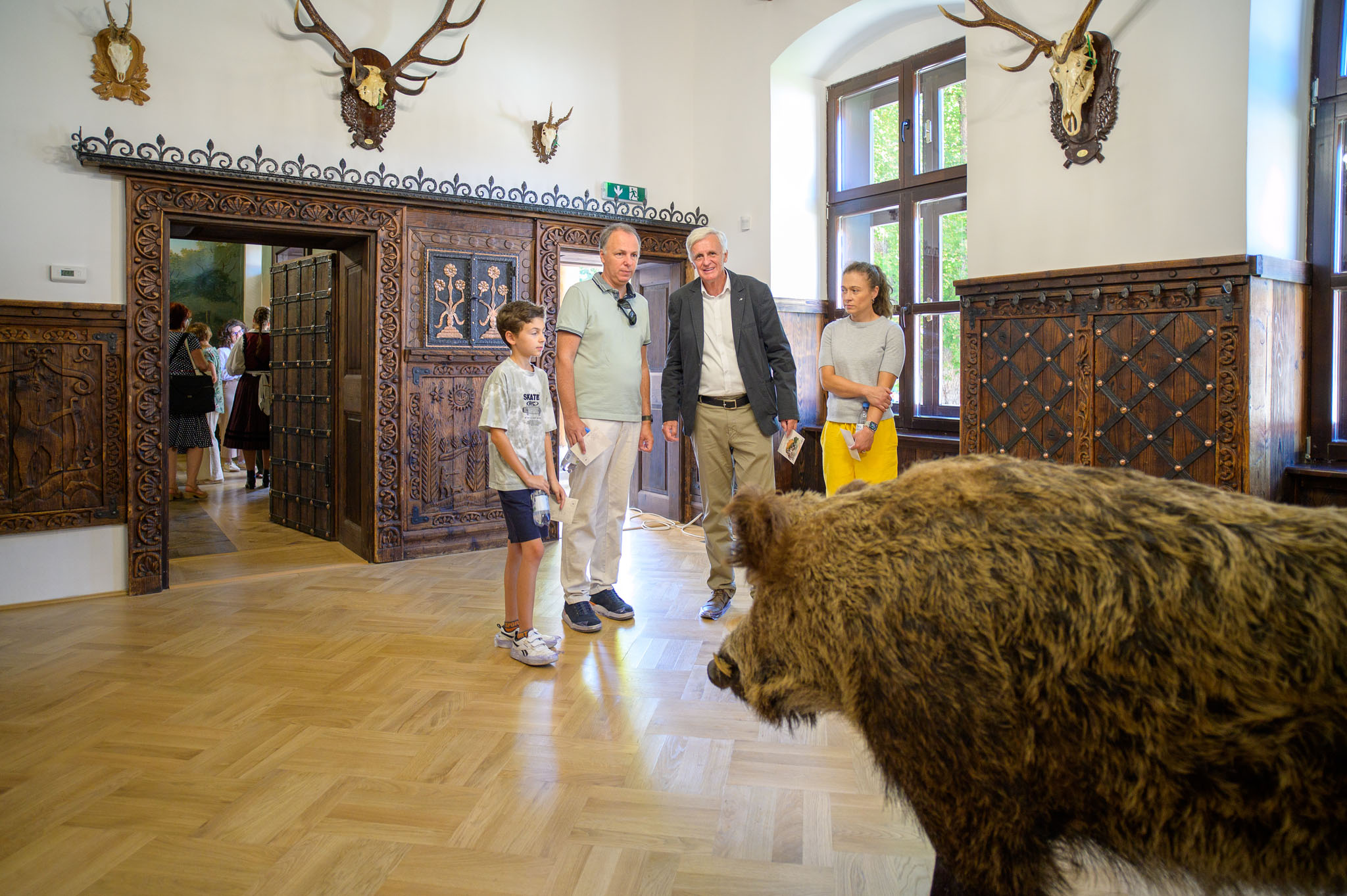
With the count’s death in 1839, the Olteni branch of the Mikó family became extinct. The castle subsequently passed into the hands of leaseholders, and after a lengthy inheritance lawsuit, it was transferred in 1871 to the last male member of the clan, Count Imre Mikó. At the beginning of the 20th century, the estate left family ownership: it belonged first to Ottó Halter and his wife, and from 1931 to Emil Schmutzler, a cloth manufacturer from Brașov, who fashioned a Neo-Renaissance hunting hall inside. Following communist nationalization, the building functioned as a pioneer camp and later as a special education school, before its current museum rebirth could begin after restitution and purchase.
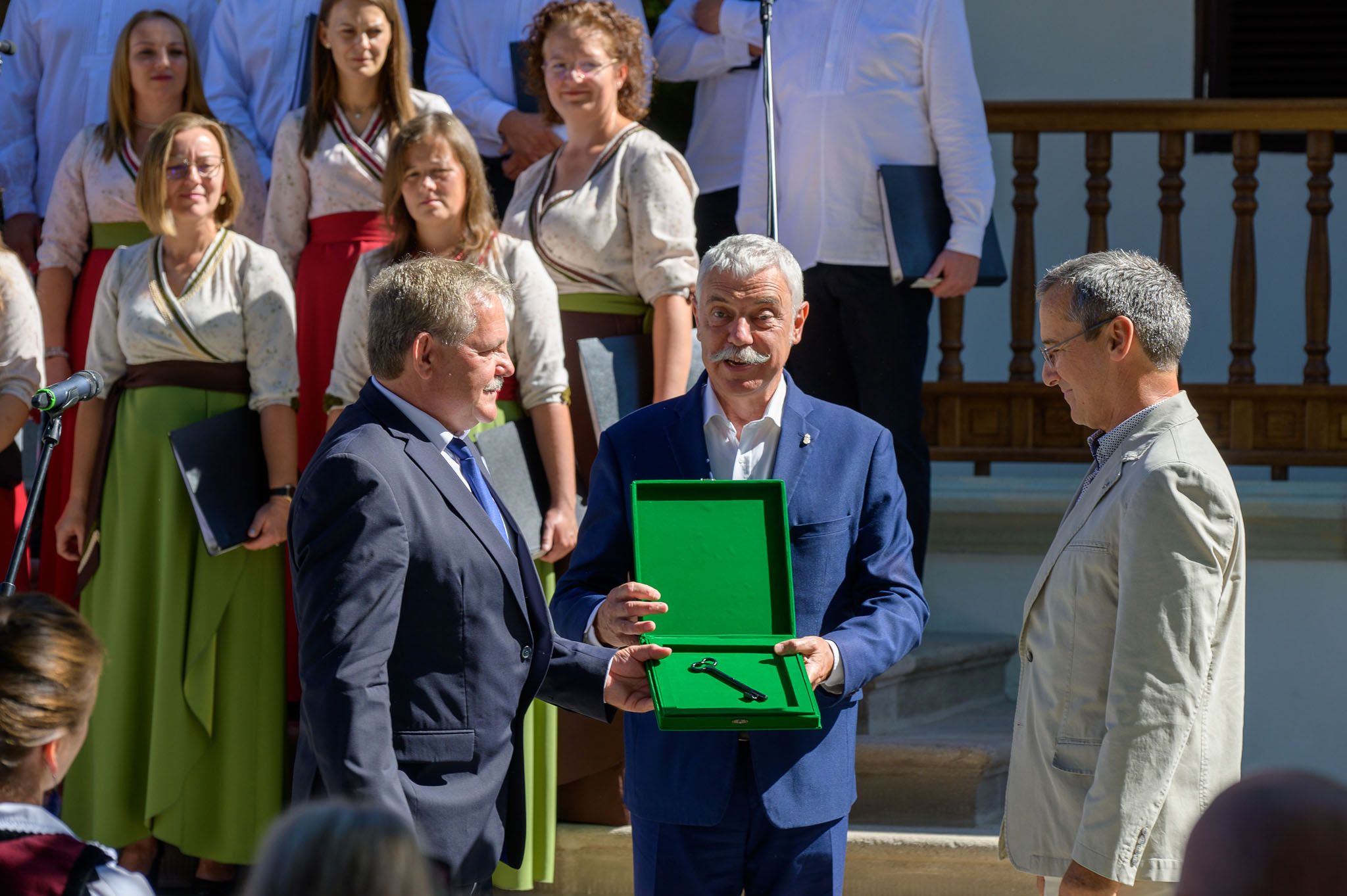
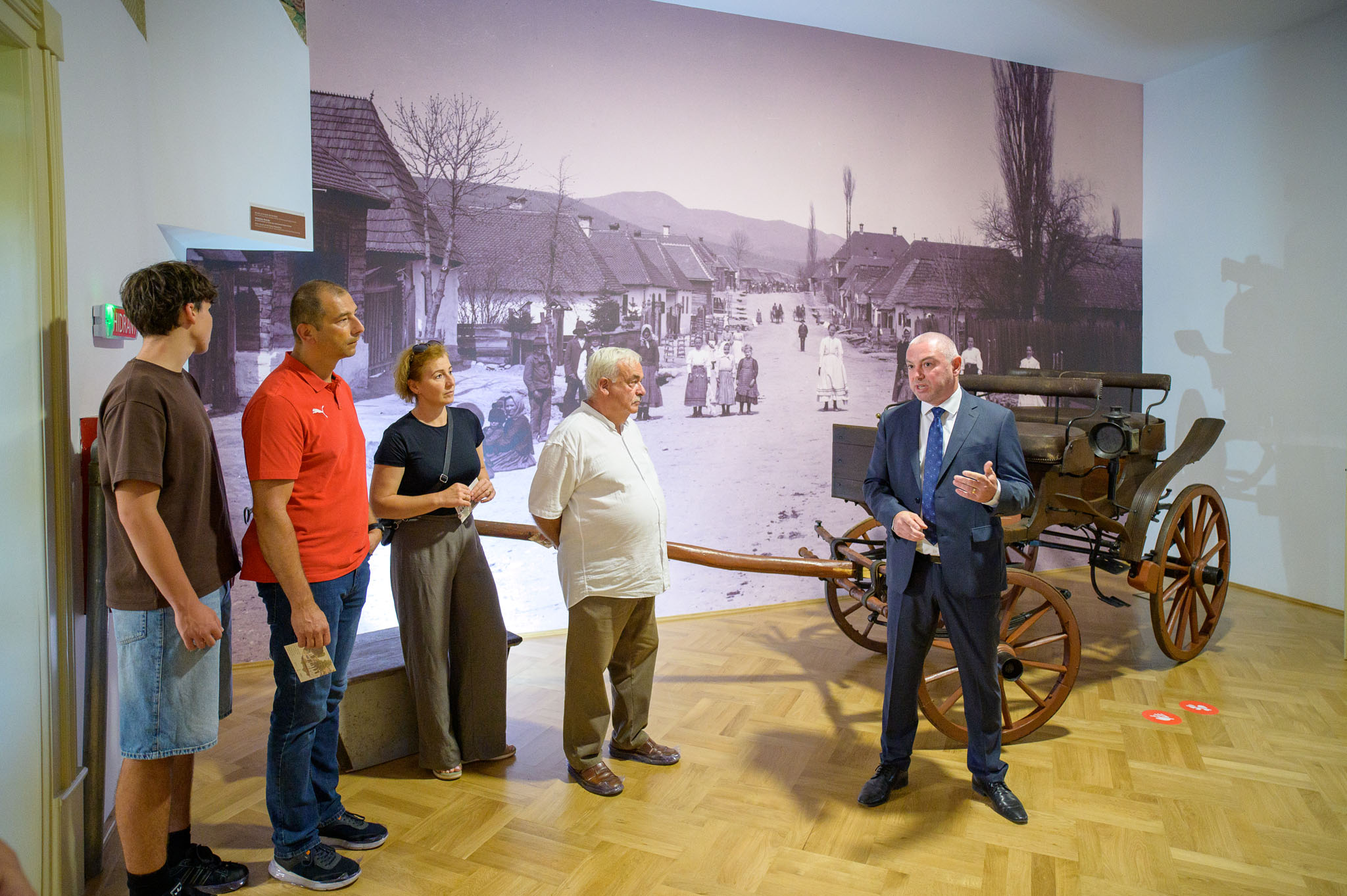
As the culmination of this long and eventful history, the permanent exhibition of the Székely Equestrian Museum has opened to the public, functioning as an external unit of the Székely National Museum.
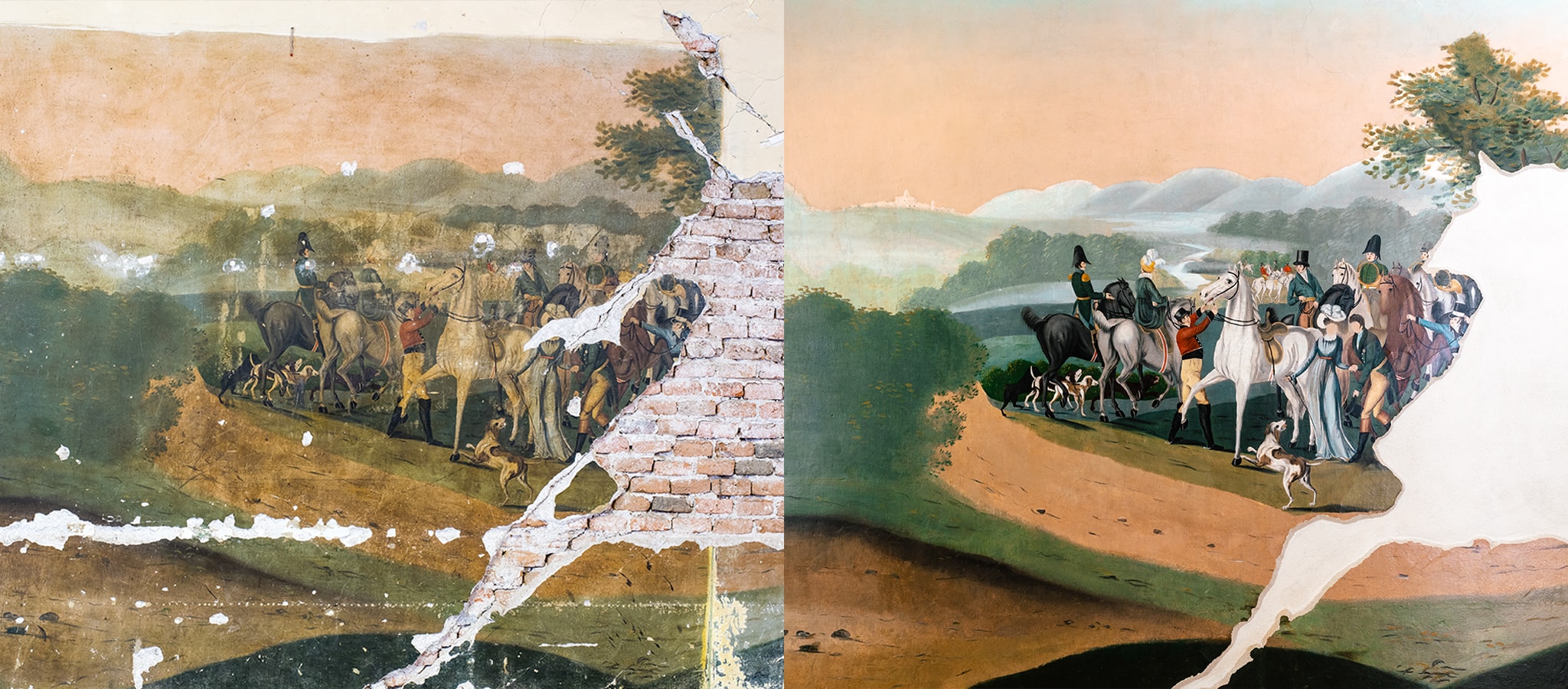
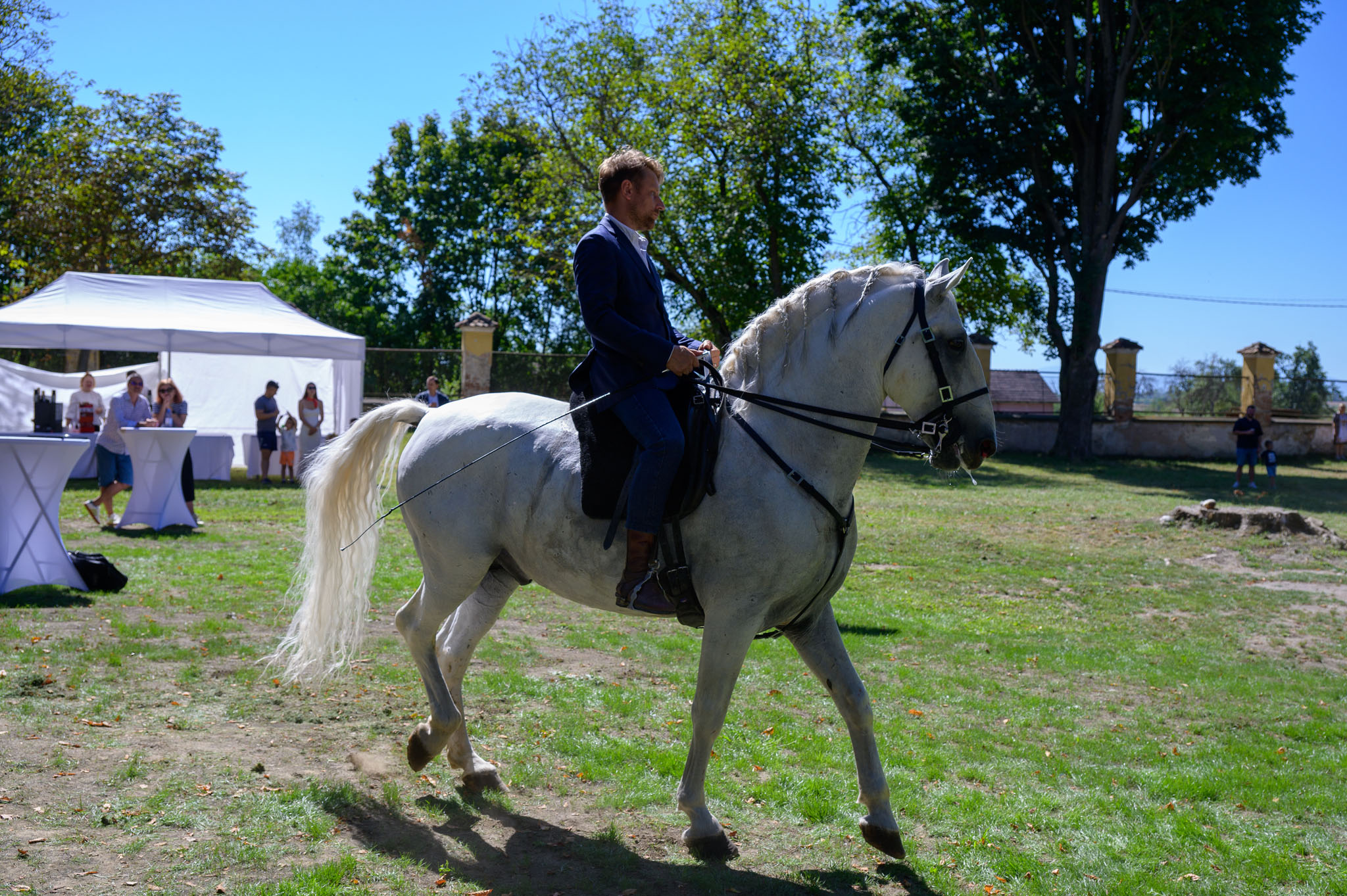
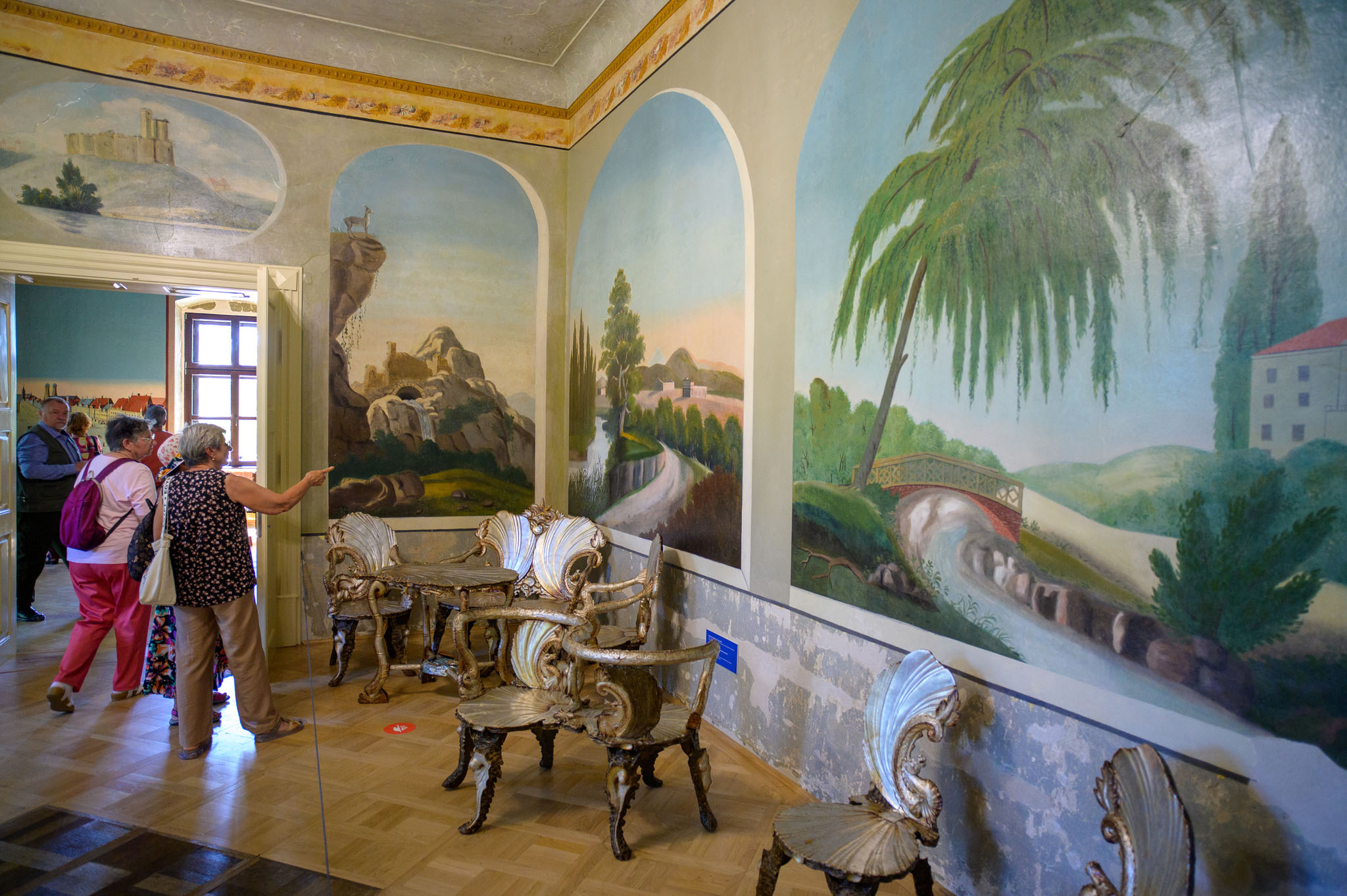
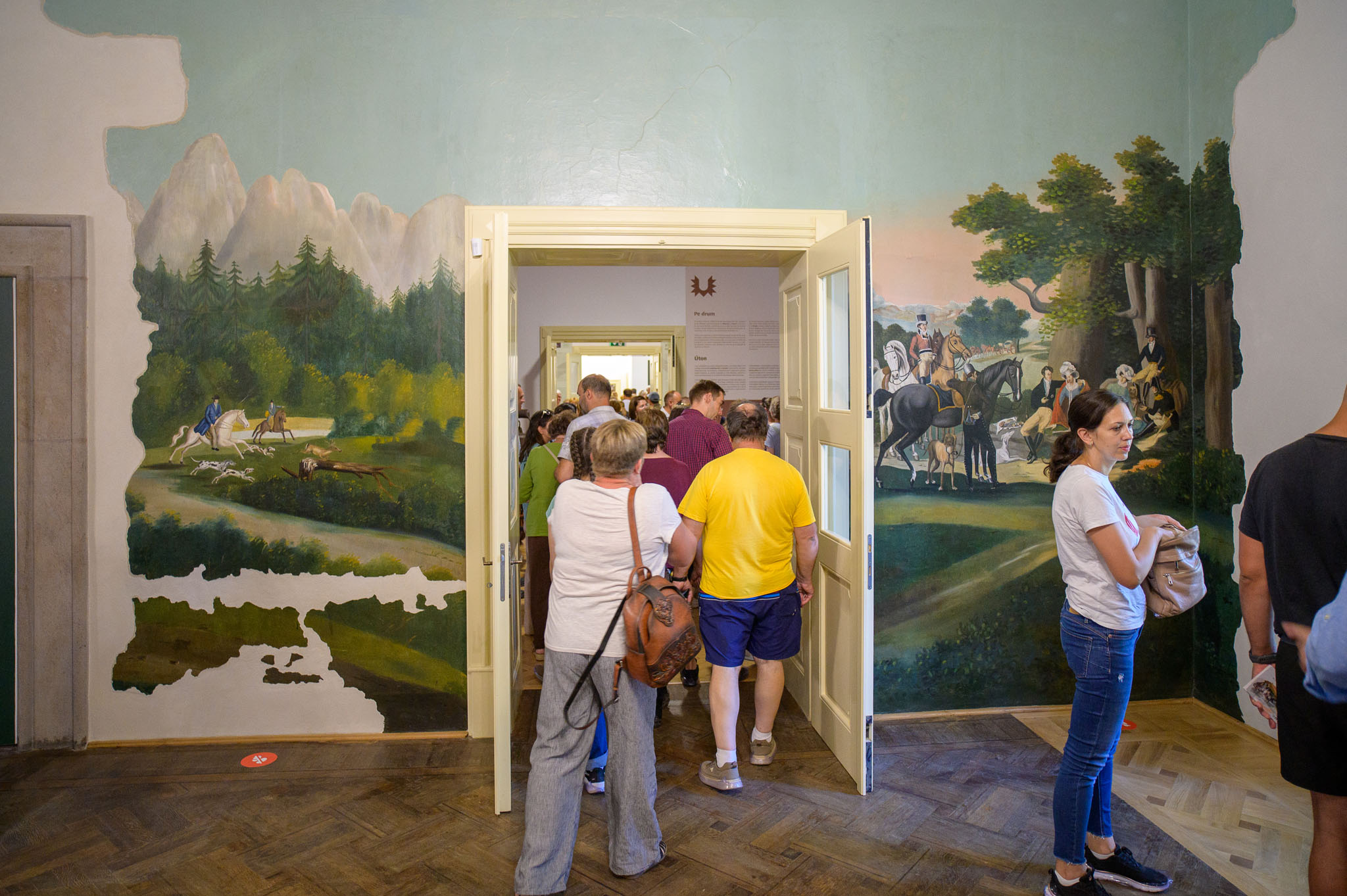
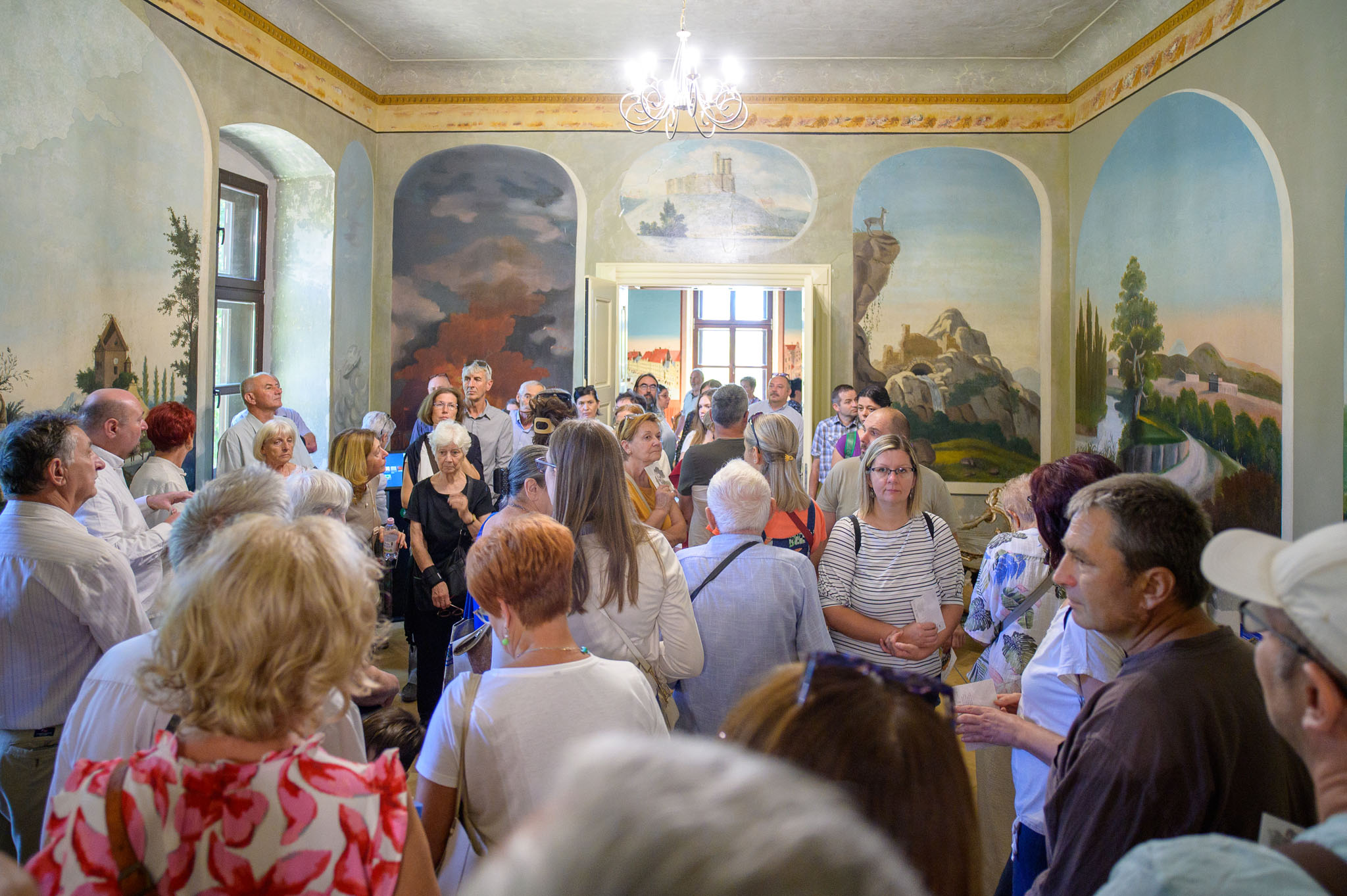
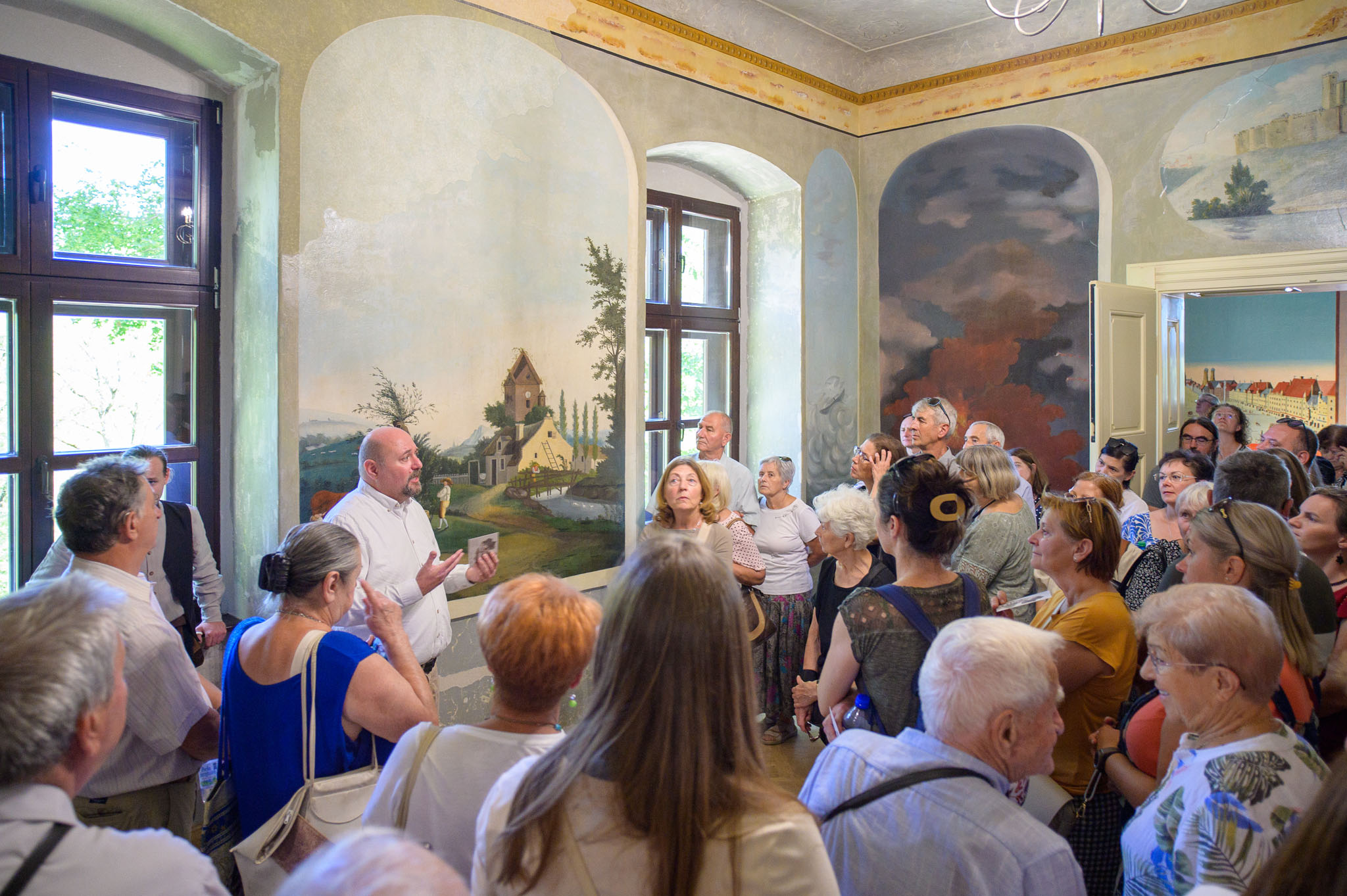
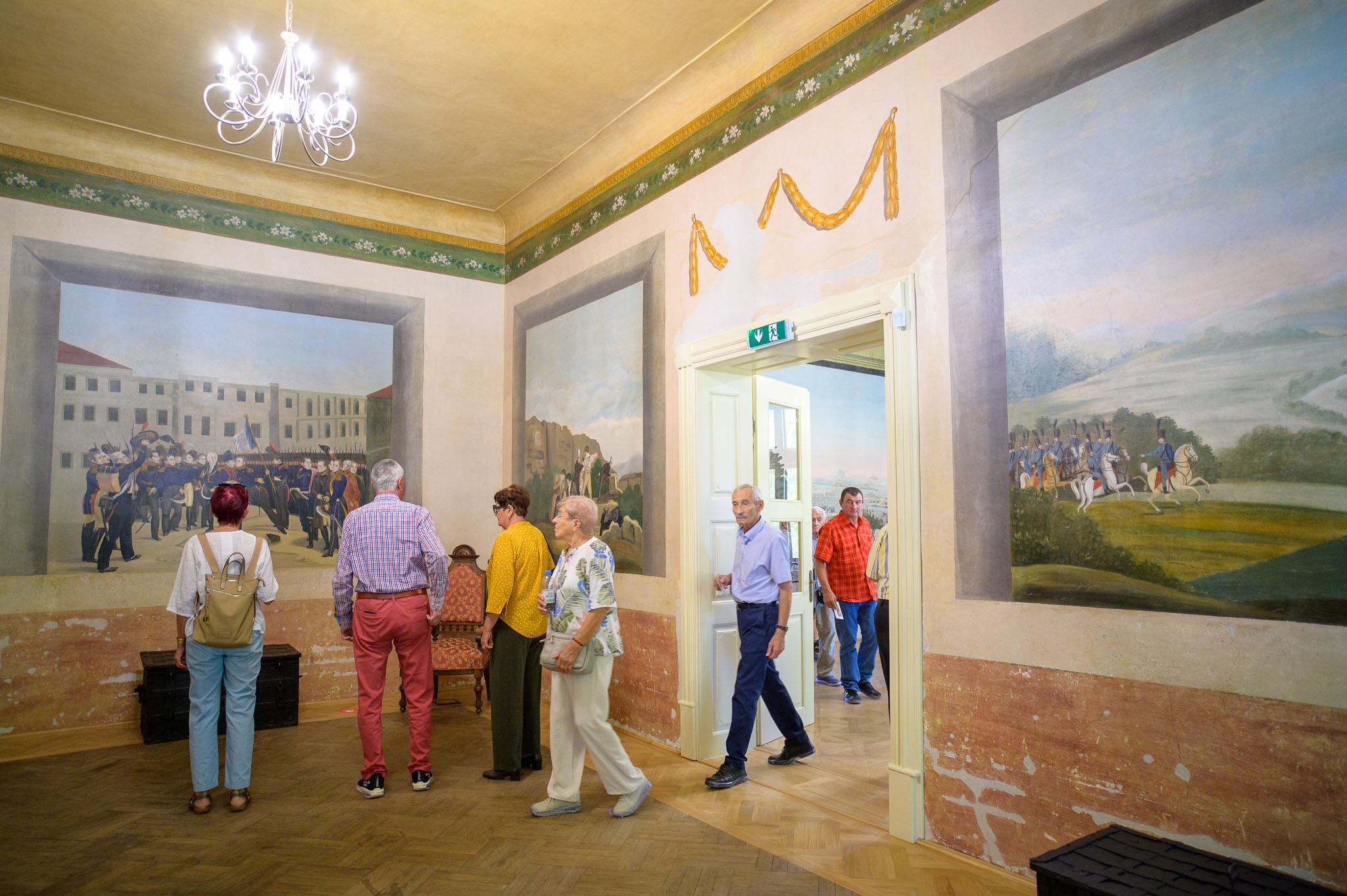
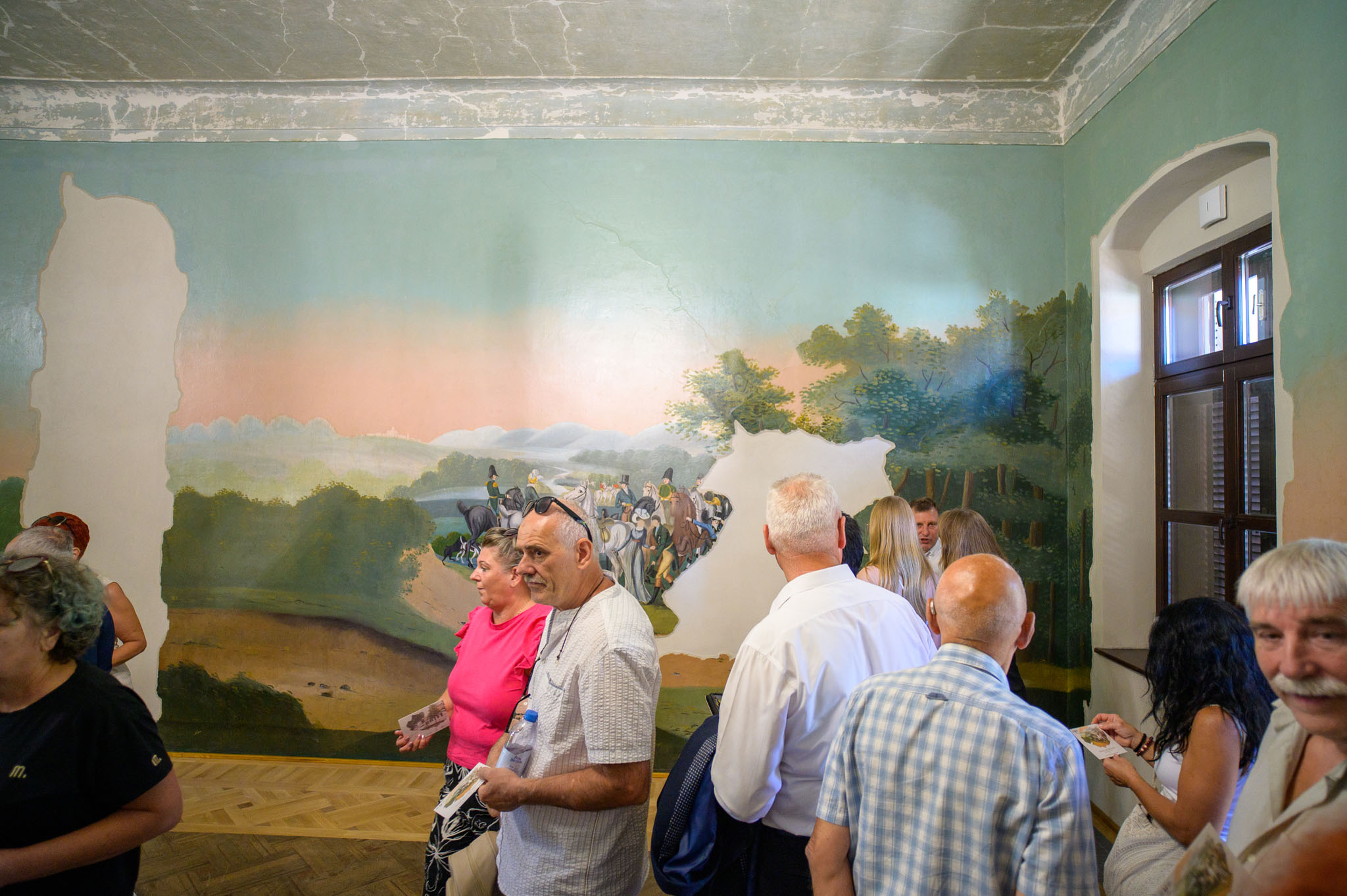
The exhibition presents the noble lifestyle of the region through the daily lives of the Mikó family of Hídvég and subsequent owners, while tracing the estate’s rich past from the foundations of the ancient Roman castrum, through the representational spaces decorated with early 19th-century wall paintings, to Emil Schmutzler’s interwar hunting castle. The central theme of the museum is Székely Land and Transylvanian equestrian culture: it comprehensively illustrates the central role of the horse in aristocratic identity, military service, and social life, while evoking the history of local horse breeding through iconic elements such as the pride of the Olteni stud, the stud stallion Szemafor Széltoló, and the Trakehner bloodline that defined the region’s stock.
The revived estate thus enriches the cultural offering of Székely Land as a worthy center for regional noble tourism and both folk and aristocratic equestrian traditions.
Monday and Tuesday: closed
Wednesday–Sunday: 9:00–16:00
Closed on public and religious holidays.
errorLast entry is 30 minutes before closing.
527036 Bodoc Commune, Olteni No 95,
Covasna county, Romania
Phone: +40 721 335 364
E-mail: castelmiko@sznm.ro