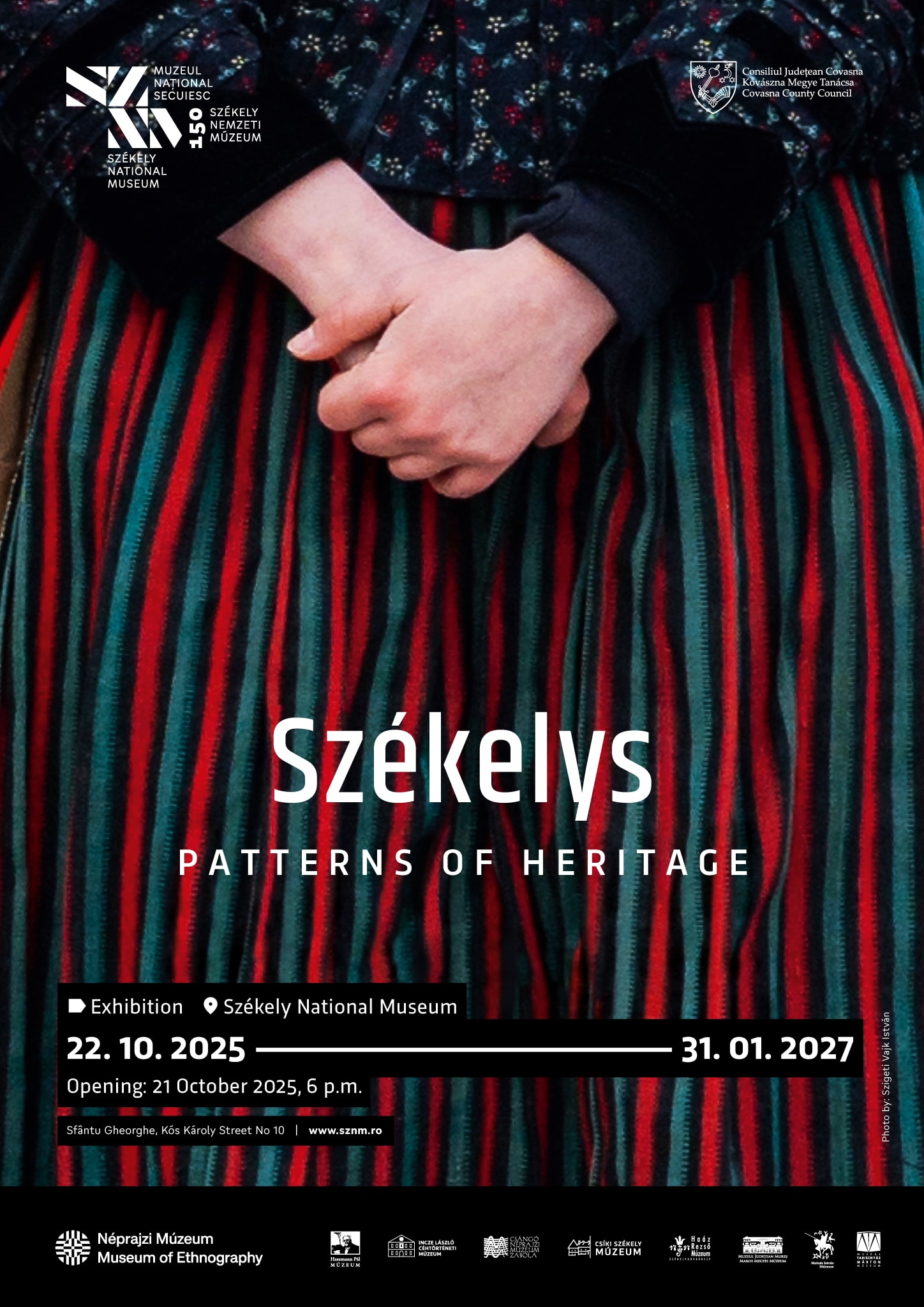
Székelys
Patterns of Heritage


Who are the Székelys, in essence? What do we know of Székely Land? What notions and beliefs persist about them, and to what extent do these reflect reality? How do those living in Székely Land perceive themselves?
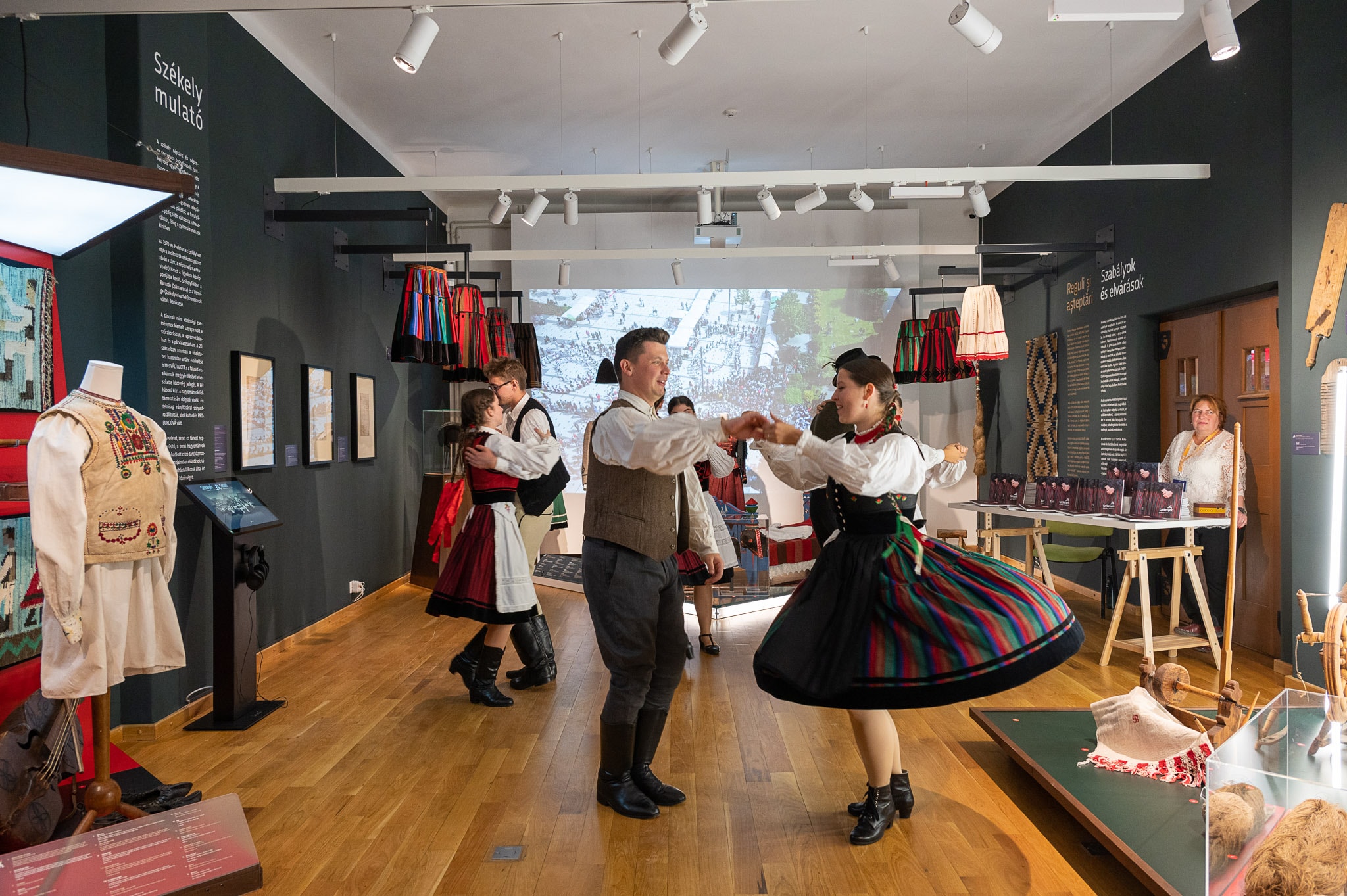
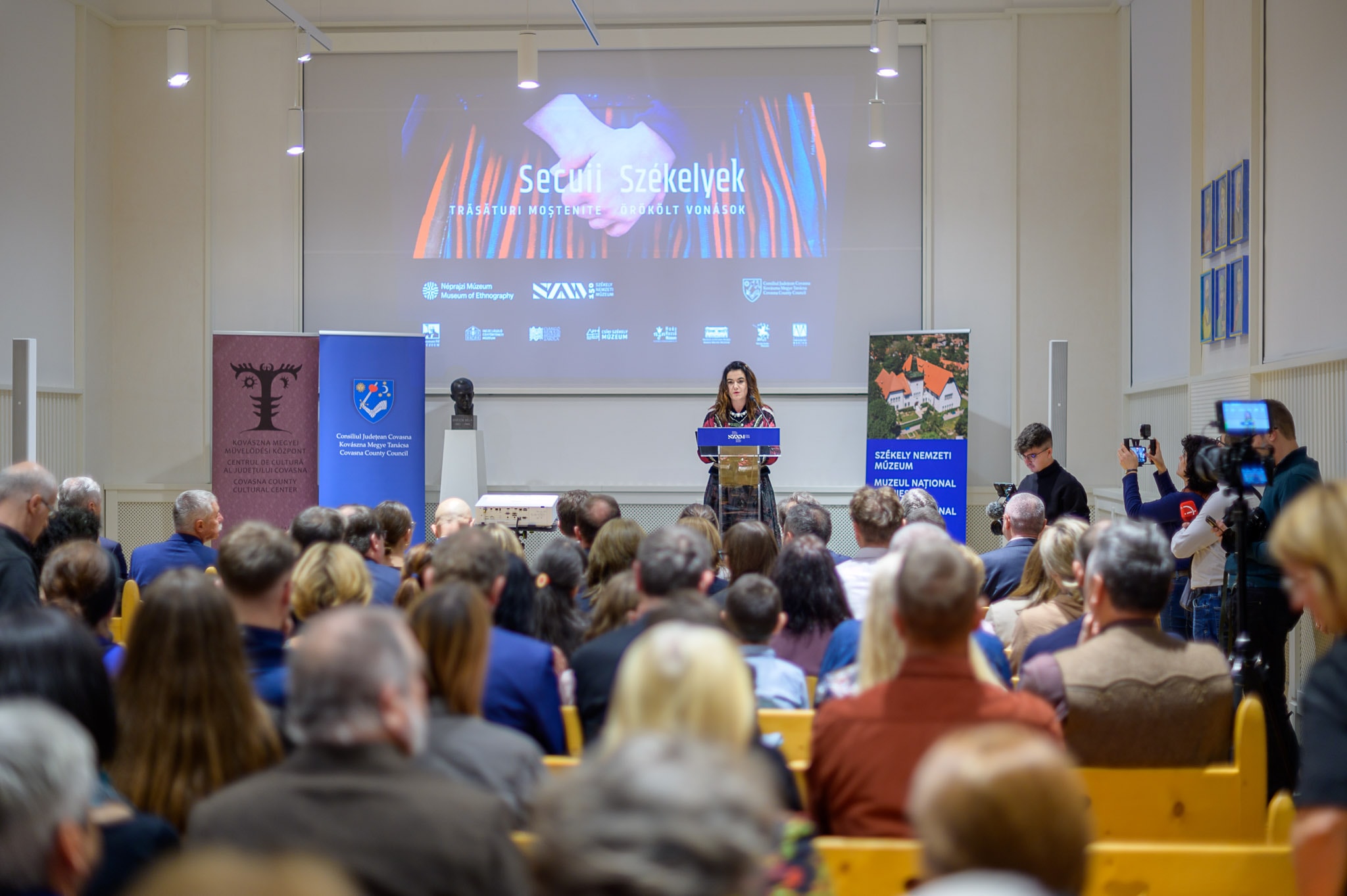
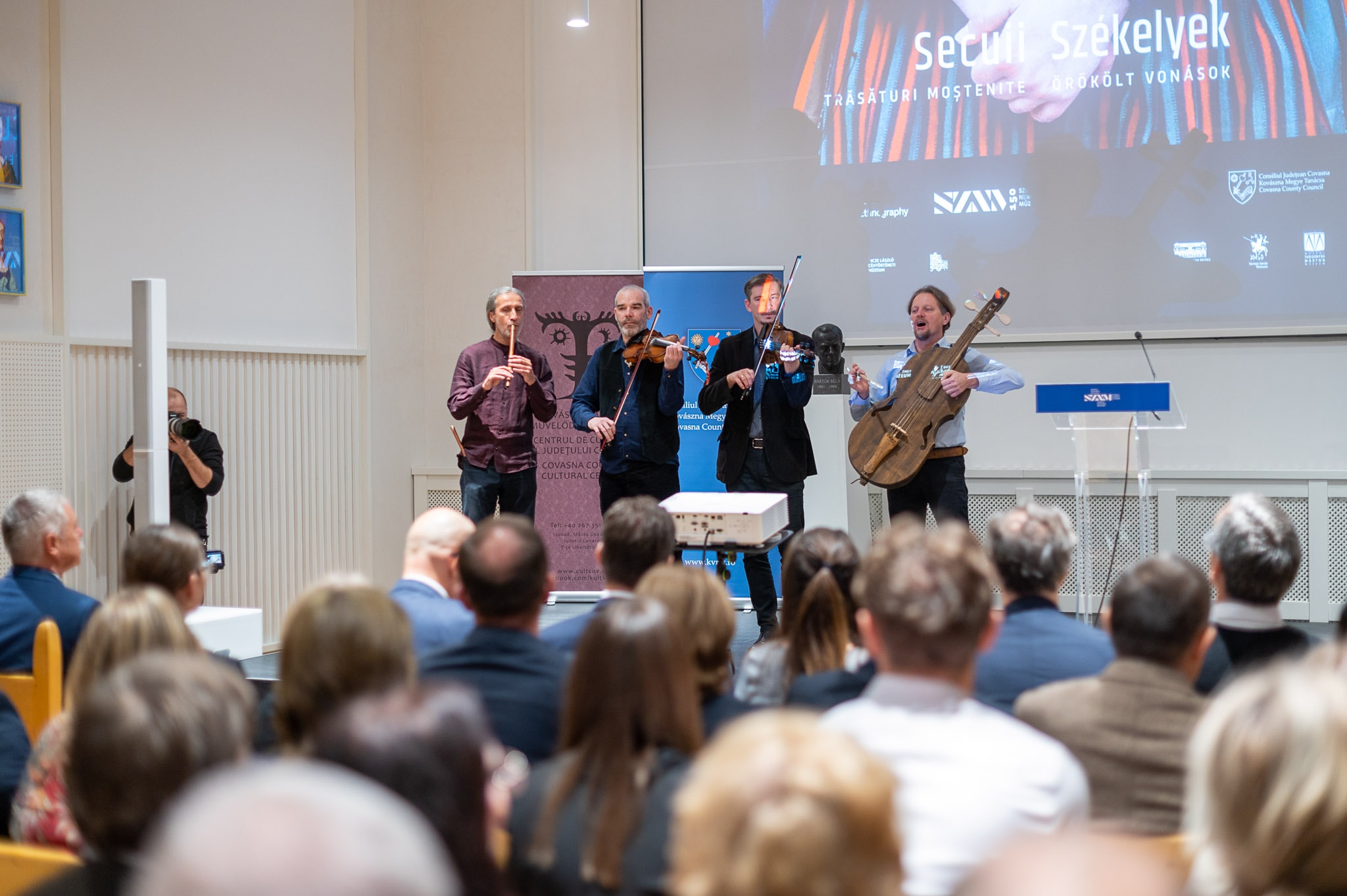
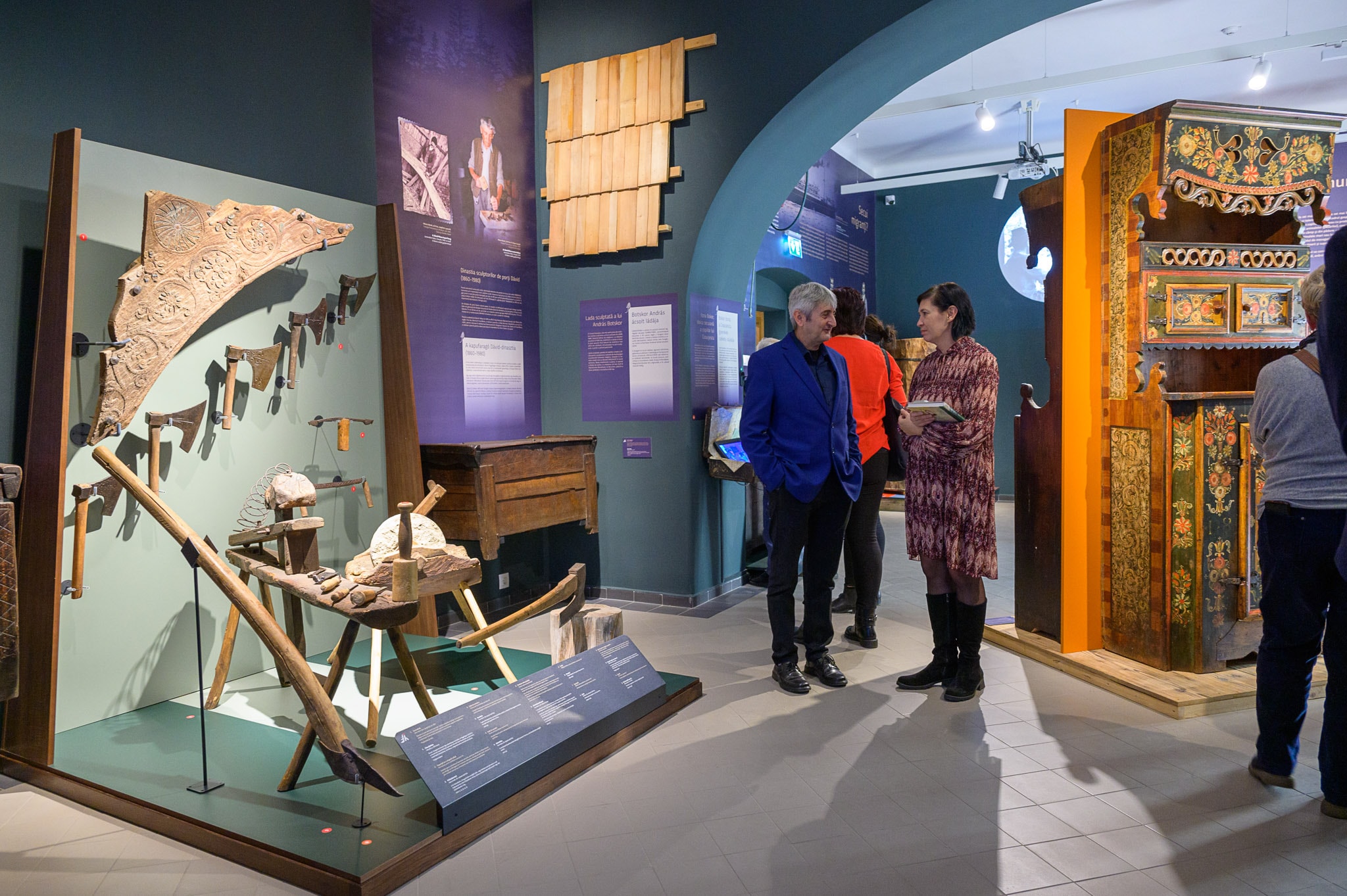
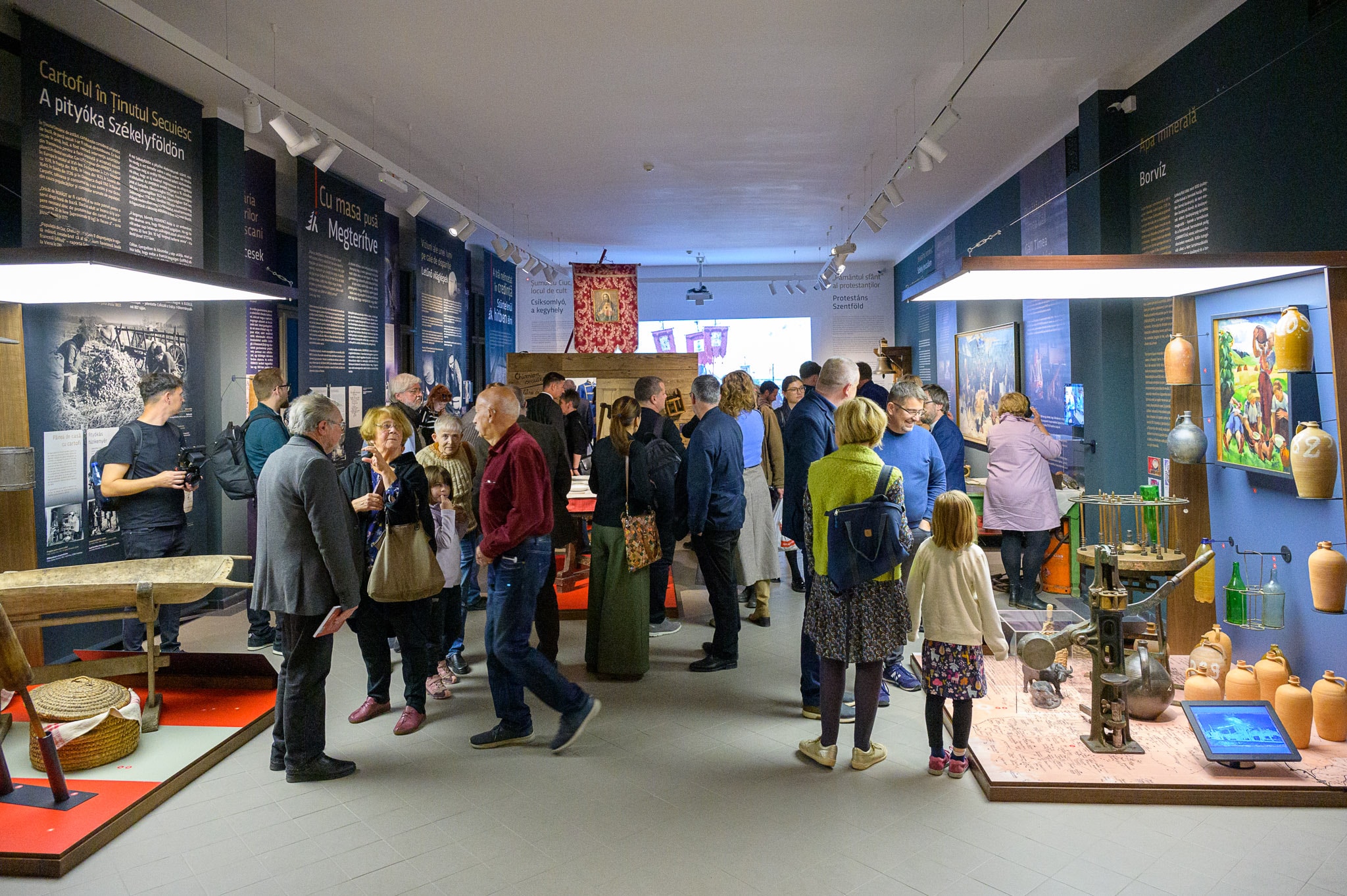
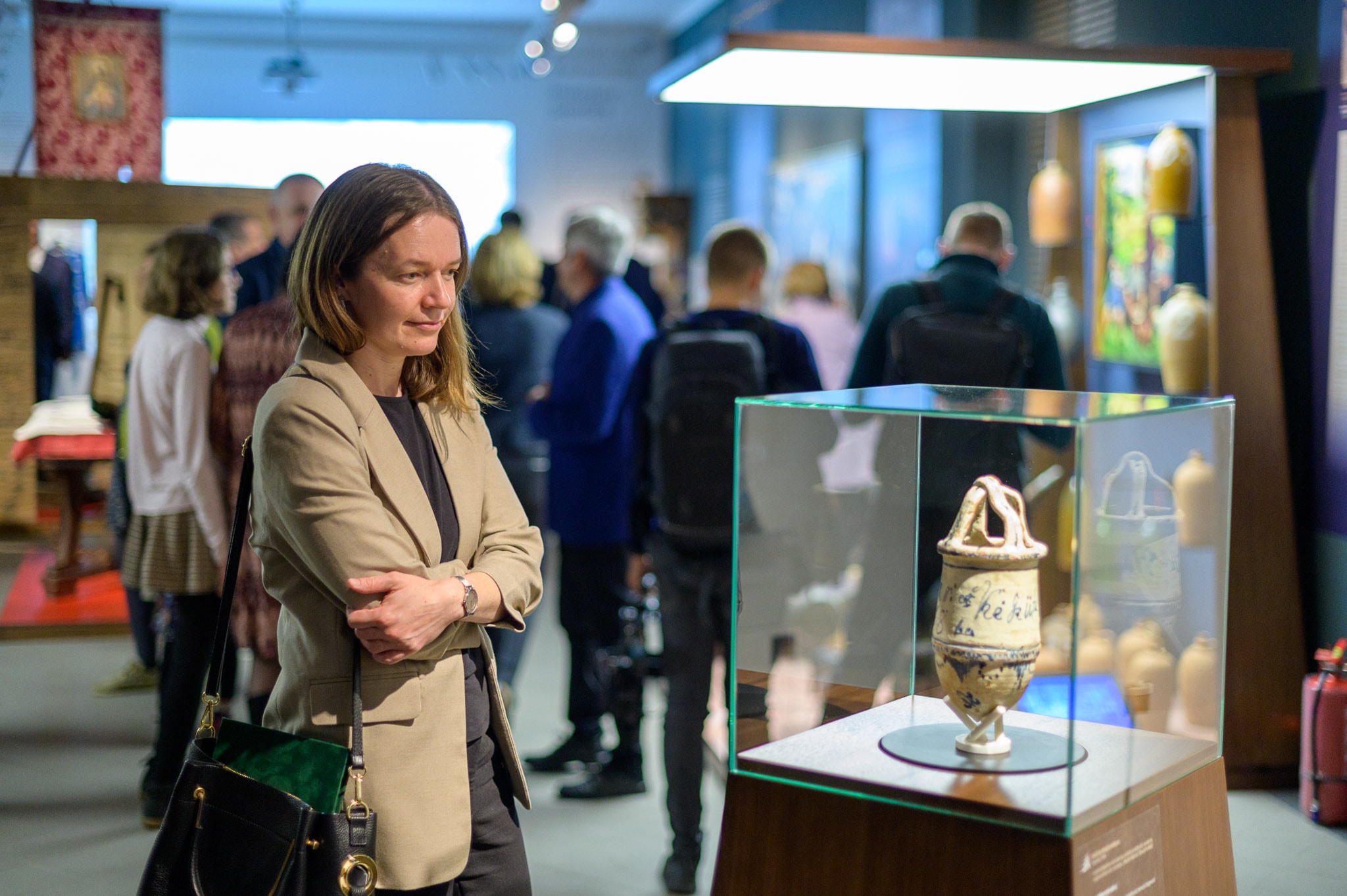
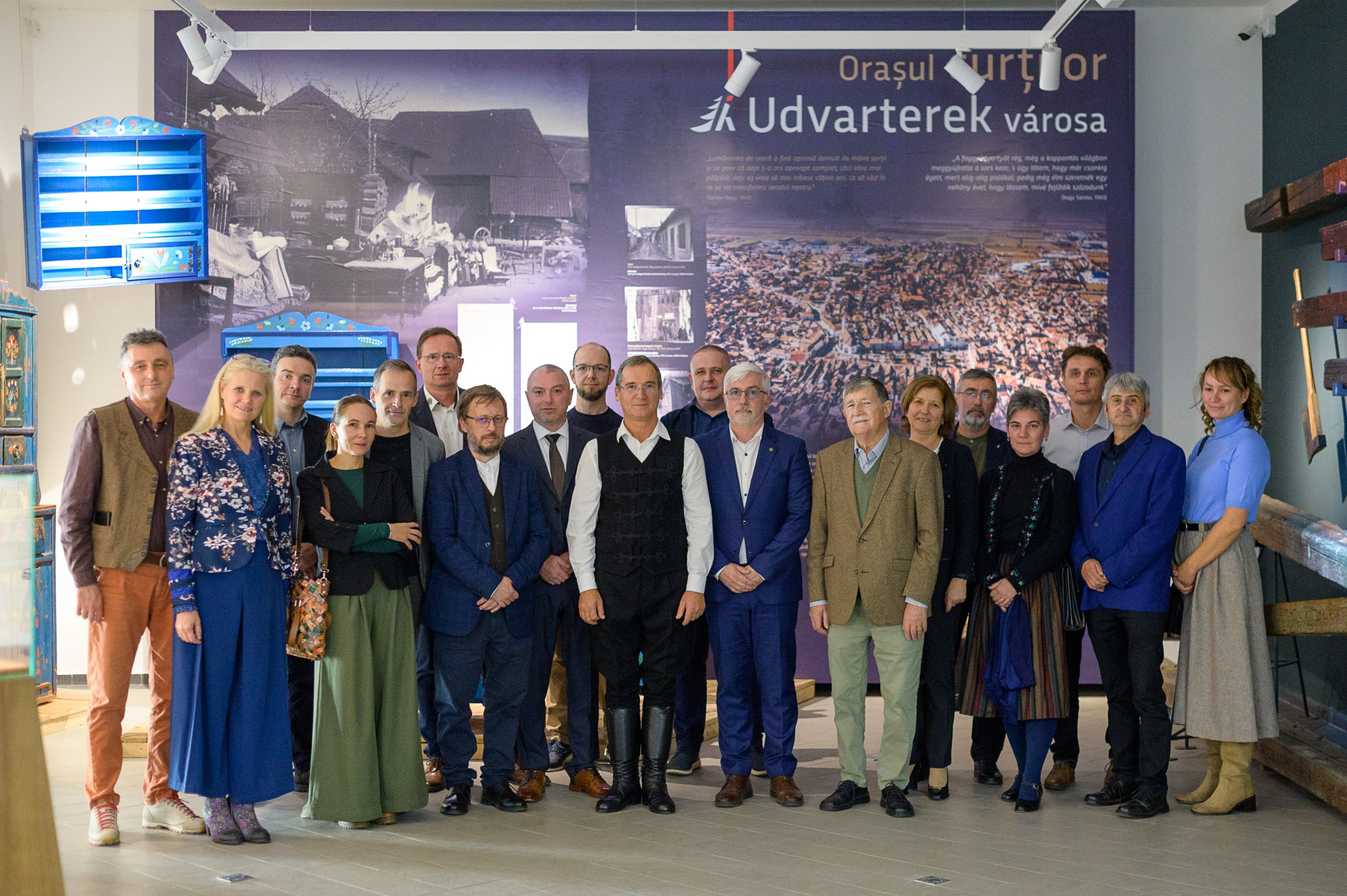
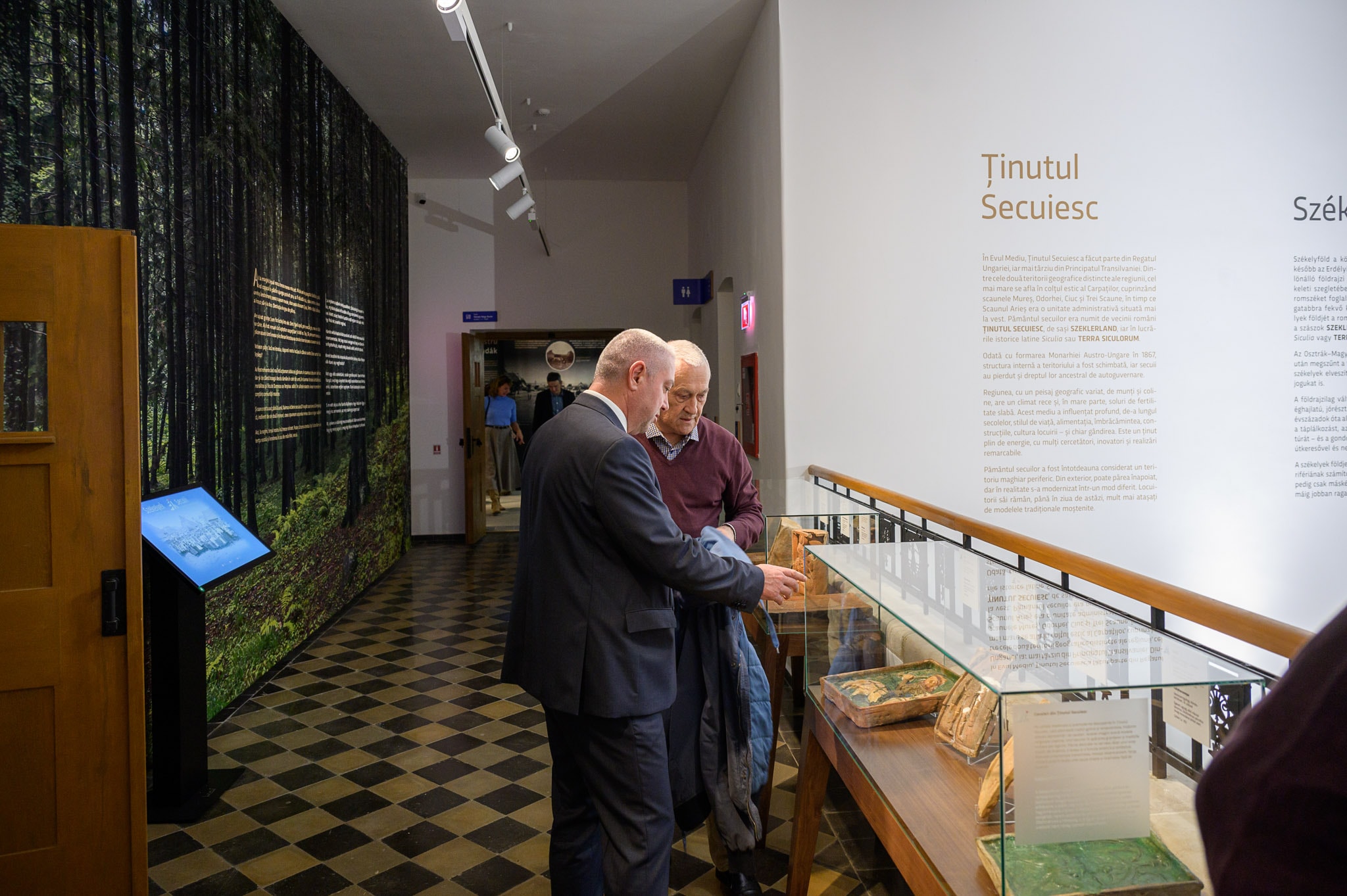
The Székely National Museum’s temporary exhibition Székelys – Patterns of Heritage, on display from 21 October 2025 to 31 January 2027, addresses these questions through hundreds of artefacts preserved by museums across Székely Land, offering visitors a singular and immersive museum experience.
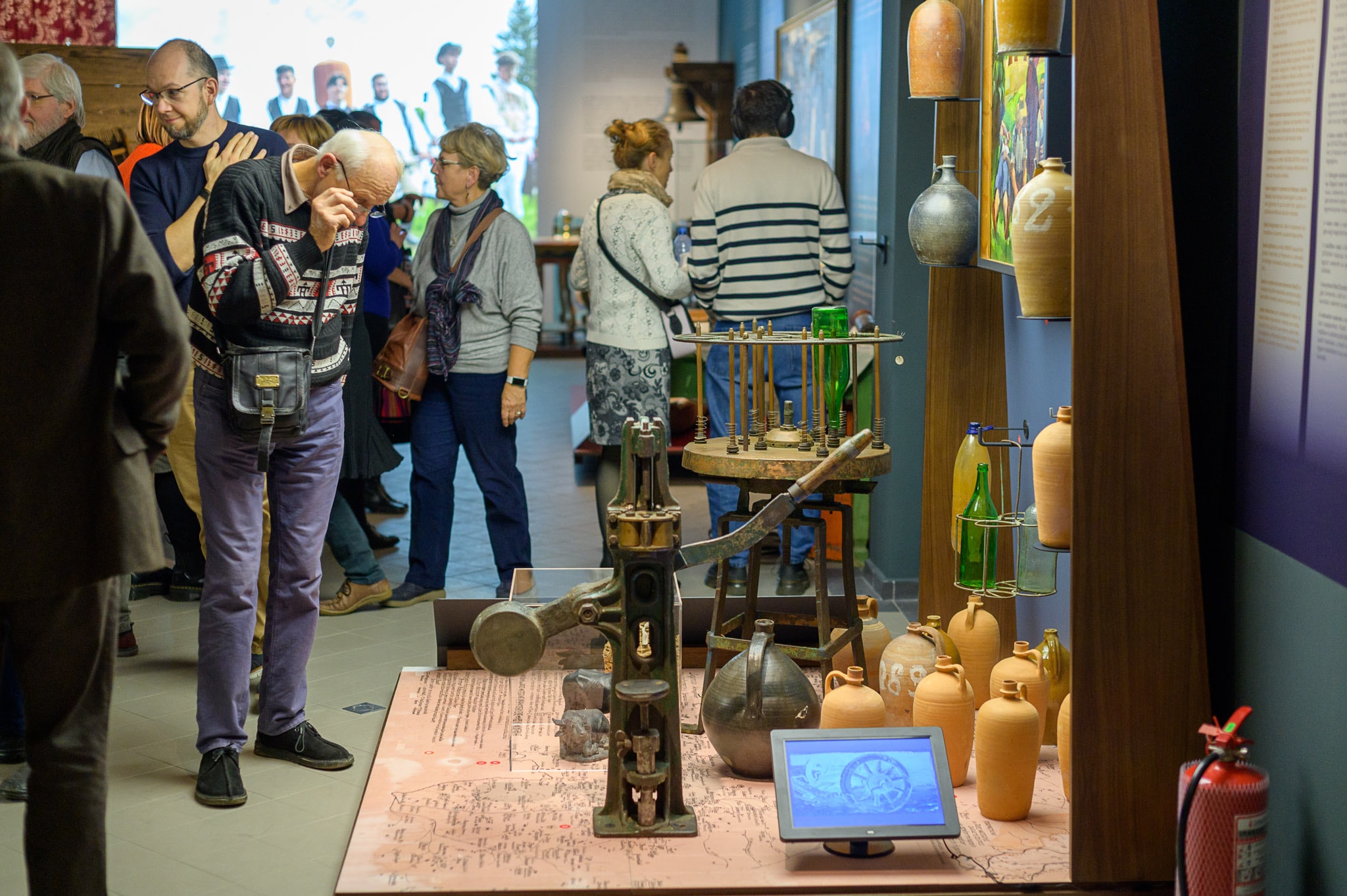
The exhibition’s distinctiveness lies in bringing together, within a single display, objects preserved locally across various settlements of Székely Land, revealing the region’s rich cultural heritage from the bourgeois transformations of the 19th century to the present day.
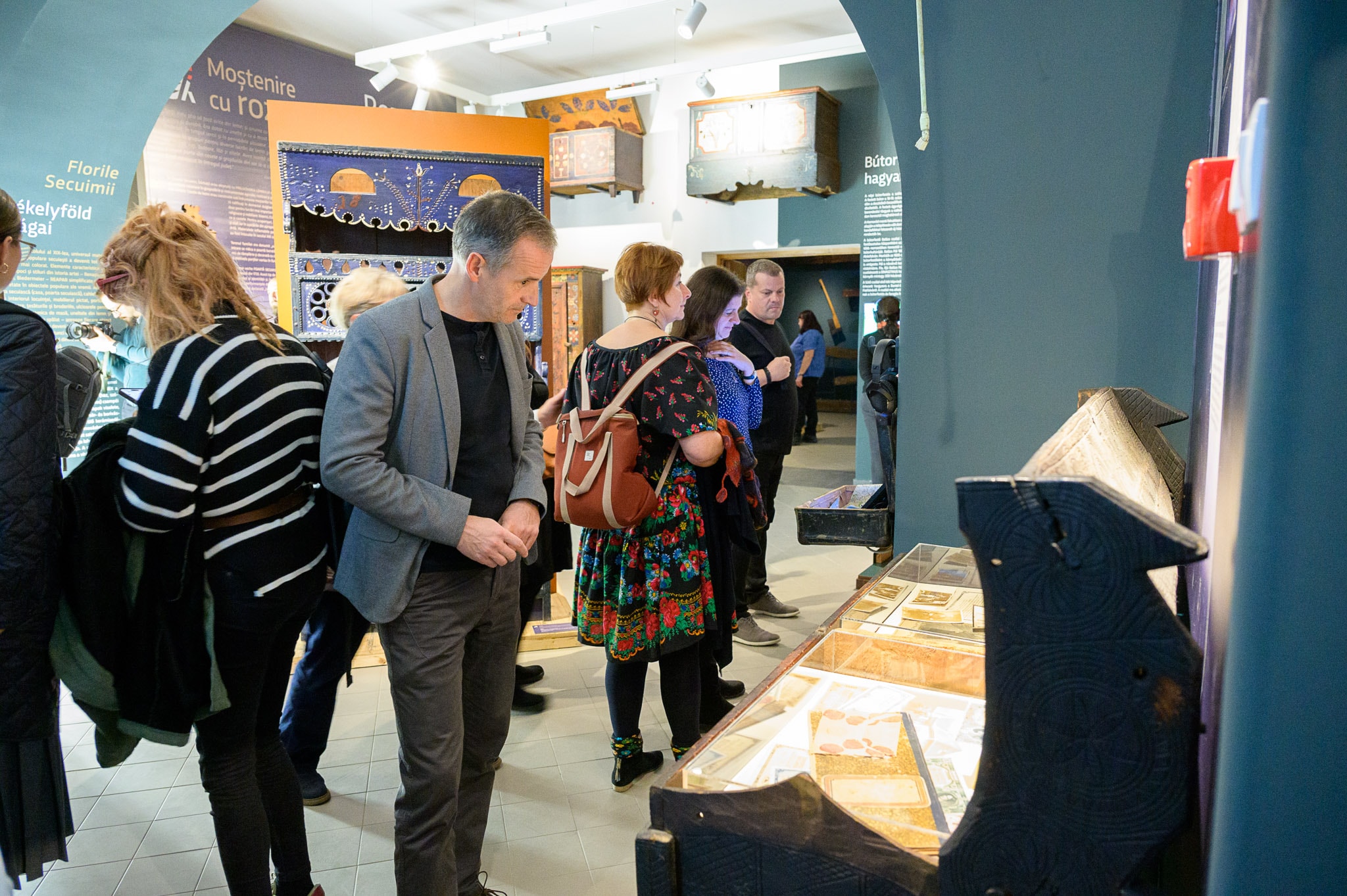
The spectacular exhibition, spanning from Zăbala to Gheorgheni and from Sfântu Gheorghe to Cristuru Secuiesc, showcases objects and documents from nearly every museum collection across Székely Land, making visible and accessible the exceptional artefacts housed within these institutions. Seven thematic sections, seventy-seven narratives, ten documentary films, hundreds of photographs, and the contributions of ten museums ensure that visitors in Sfântu Gheorghe can immerse themselves fully in both the past and present of Székely Land.
The exhibition becomes a true nexus for the region’s cultural heritage: alongside the unique artefacts, it brings together collecting practices, curatorial concepts, and scholarly research, fostering the creation of new and inventive interpretations. Consequently, the layered and multifaceted presentation is ensured not only by the scale and quality of the displayed material but also by the diverse perspectives and backgrounds of the collaborating ethnographers and historians.
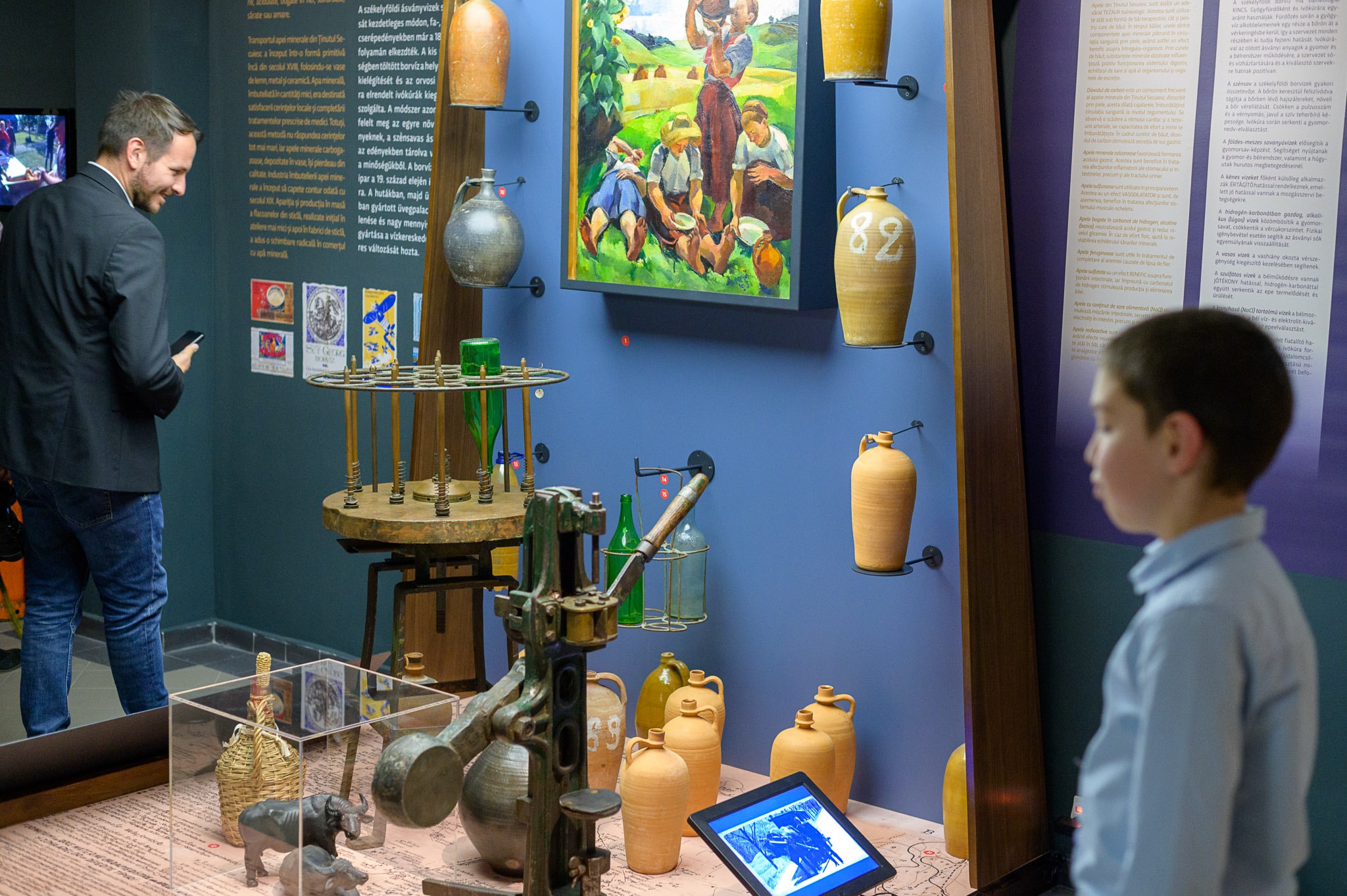
The curators also present unique and highly valuable ensembles, such as Ágoston Csató’s American documents and photographic legacy, a cabinet constructed from repurposed elements of four painted pieces of furniture dating from 1770 to 1880, and the 1622 bell of the Reformed church in the village of Surcea. Contemporary emblematic objects are not overlooked either: a 2024 plastic bottle illustrates the iron content of mineral waters. Alongside the humorous pieces, such as a pálinka warmer adorned with phallic handles, objects recounting the heartrending histories of Székely Land also speak: the 1981 Csík dowry, created for a young bride who tragically lost her life in a gas explosion before she could join her husband in Budapest. The Mădăraș example of the ballad-type tale of the girl who fell into a threshing machine sails into happier waters: it emerges that the heroine of this orally transmitted tragic folk poem miraculously recovered following the accident in the 1930s, went on to marry, and bore children. Beyond the traditions of agriculture, the exhibition introduces visitors to the region’s culinary particularities, the local practices of religion and religiosity, and the heritage of craftsmanship and domestic industry, thereby highlighting potential cornerstones for cultural continuity.
The exhibition makes palpable the continuous transience and inherent dynamism of Székely culture. Themes of constant change, progress, innovative thinking, and the enduring strength of tradition recur across production technologies, material culture, customs, dress, and other aspects of daily life. It is equally clear that the inhabitants of Székely Land have continuously shaped – and continue to shape – their material and intellectual culture in response to evolving needs, trends, and opportunities. Furthermore, the exhibition examines, up to the present day, the strategic role that elements of folk culture – customs, traditions, and religion – play in preserving Hungarian, and more specifically Székely, identities. The aim of the exhibition at the Székely National Museum is not to deconstruct established perceptions of the Székelys or Székely Land, but to provide an experience through which visitors can broaden and deepen their prior understandings.
Székely National Museum, Sfântu Gheorghe – SZNM
Haszmann Pál Museum, Cernatul de Jos – HPM
Incze László Guild History Museum, Târgu Secuiesc – ILCM
Csángó Ethnographic Museum, Zăbala – CSNM
Szekler Museum of Ciuc, Miercurea Ciuc – CSSZM
Haáz Rezső Museum, Odorheiu Secuiesc – HRM
Viforoasa Ethnographic Museum, Viforoasa – HNM
Mureș County Museum, Târgu Mureș – MMM
Molnár István Museum, Cristuru Secuiesc – MIM
Tarisznyás Márton Museum, Gheorgheni – TMM